
Custom-Built or SaaS eCommerce: Find the Perfect Platform for Your Business Growth
- Miss. Lily
- 2 min read
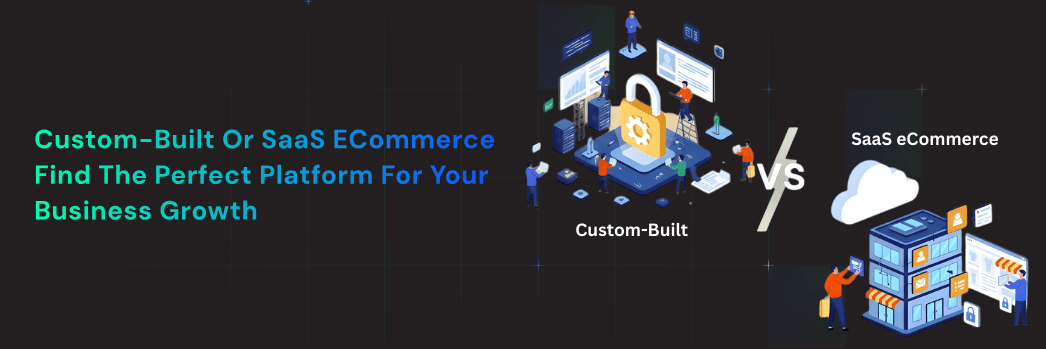
The eCommerce platform you choose can make or break your online retail success. The platform you select fundamentally shapes your operational capabilities, customer experience, scalability potential, and long-term growth trajectory. Two primary options dominate the market: Software-as-a-Service (SaaS) platforms offering ready-made solutions and custom-built platforms developed specifically for your unique business needs. Understanding the strengths, limitations, and ideal use cases for each approach helps you make informed decisions that support sustainable business growth.
Understanding SaaS eCommerce Platforms
SaaS eCommerce platforms provide subscription-based solutions with pre-built functionality, hosting infrastructure, and ongoing maintenance included in your monthly or annual fees. Popular options like Shopify, BigCommerce, Wix, and Squarespace offer user-friendly interfaces, allowing businesses to launch online stores quickly without extensive technical knowledge.
These platforms handle technical infrastructure, including server management, security updates, payment processing integration, and basic SEO optimization. They provide templates for store design, built-in shopping cart functionality, inventory management tools, and customer relationship features. For many businesses, particularly those just starting their eCommerce journey, SaaS platforms offer attractive simplicity and affordability.
The subscription model means predictable monthly costs without large upfront investments. Setup typically takes days or weeks rather than months, allowing rapid market entry. Non-technical users can manage day-to-day operations through intuitive dashboards without requiring dedicated IT staff or development teams.
The Case for Custom-Built eCommerce Solutions
Custom-built eCommerce platforms are developed from the ground up specifically for your business requirements. These bespoke solutions offer complete flexibility in design, functionality, and user experience. Rather than adapting your business processes to fit platform limitations, custom development creates platforms perfectly aligned with your operational workflows and strategic objectives.
Custom platforms provide unlimited scalability, growing seamlessly as your business expands without hitting artificial limits on products, transactions, or traffic. You own the entire codebase, maintaining complete control over every aspect of functionality, design, and data management. Integration with existing business systems—from enterprise resource planning software to custom inventory management tools—occurs seamlessly through purpose-built connections.
For businesses with unique selling propositions, complex product configurations, specialized customer experiences, or industry-specific requirements, custom development often proves essential. These platforms differentiate your brand through distinctive features impossible to replicate on standardized SaaS solutions.
Evaluating Costs: Total Cost of Ownership
Cost comparison between SaaS and custom-built platforms requires examining total cost of ownership rather than just initial investments. SaaS platforms appear more affordable initially, with monthly subscriptions ranging from basic plans under fifty dollars to enterprise packages costing thousands monthly. However, these fees continue indefinitely, accumulating significantly over years of operation.
Additional SaaS costs often include transaction fees on sales, premium themes or templates, third-party app subscriptions for extended functionality, and costs for overcoming platform limitations. As your business grows, higher-tier subscriptions become necessary to access advanced features or handle increased traffic and transaction volumes.
Custom-built platforms require substantial upfront investment for development, typically ranging from tens of thousands to hundreds of thousands of dollars depending on complexity. However, after initial development, ongoing costs primarily involve hosting, maintenance, and occasional feature additions. For established businesses planning long-term operations, custom platforms often prove more economical over five- to ten-year periods.
Consider your business timeline when evaluating costs. If testing market viability or operating on limited budgets, SaaS platforms minimize financial risk. For established businesses with clear growth trajectories and long-term commitments, custom development often delivers a better return on investment.
Scalability and Performance Considerations
Scalability determines whether your platform grows gracefully alongside your business or becomes a constraint limiting expansion. SaaS platforms handle basic scalability through their infrastructure, automatically managing traffic spikes and storage needs. However, they impose limits on customization, integration possibilities, and advanced functionality that can restrict growth.
As businesses mature and requirements become more sophisticated, SaaS limitations often necessitate platform migration—a complex, risky, and expensive undertaking that disrupts operations and potentially loses valuable data and SEO rankings.
Custom-built platforms scale without arbitrary restrictions. Architecture designed for your specific needs handles growth efficiently. You add features, integrate new systems, and optimize performance based on actual requirements rather than working within predefined boundaries. This flexibility proves particularly valuable for businesses experiencing rapid growth or operating in dynamic markets requiring frequent adaptation.
Customization and Brand Differentiation
In competitive eCommerce markets, differentiation becomes crucial for success. SaaS platforms offer limited customization within template frameworks. While you can adjust colors, layouts, and content, fundamental user experience patterns remain similar across stores using the same platform. This similarity makes standing out challenging and can result in generic customer experiences that fail to reflect your unique brand identity.
Custom-built solutions create entirely unique shopping experiences aligned precisely with your brand vision. Every interaction, from product discovery through checkout, can be optimized for your specific customer journey. Unique features become competitive advantages rather than expensive workarounds within restrictive SaaS frameworks.
For luxury brands, businesses with complex product configurations, B2B operations with specialized pricing and ordering processes, or companies built on innovative shopping experiences, custom platforms often prove essential for maintaining competitive positioning.
Technical Control and Integration Capabilities
SaaS platforms limit access to underlying code and infrastructure, restricting your ability to modify core functionality or integrate deeply with other systems. Integration typically relies on available APIs and third-party applications, which may not fully address your specific needs. When platform providers update their systems, your store must adapt, potentially breaking customizations or requiring workflow adjustments.
Custom platforms provide complete technical control. You access and modify any aspect of the system, integrate seamlessly with existing business tools, and implement specialized features without platform provider approval or limitations. This autonomy becomes increasingly valuable as operational complexity grows and unique requirements emerge.
Security and Compliance Requirements
Both approaches offer security, but with different considerations. SaaS providers handle basic security measures, including SSL certificates, PCI compliance, and regular security updates. However, you depend entirely on their security practices and response capabilities. If the platform experiences breaches, all users face potential exposure.
Custom-built platforms allow implementing security measures tailored to your specific risk profile and compliance requirements. Industries with strict regulatory requirements often require custom solutions ensuring complete control over data handling, storage, and protection protocols.
Time to Market Considerations
Launch timeline often influences platform selection significantly. SaaS platforms enable launching functional stores within days or weeks, making them ideal for businesses needing rapid market entry, testing product-market fit, or operating with urgent deadlines.
Custom development requires months from initial planning through launch. However, this extended timeline allows careful consideration of every detail, ensuring the final product precisely matches requirements without compromise. For established businesses with clear visions and resources for patient development, this investment in thorough planning and execution pays long-term dividends.
Making Your Decision
Choosing between SaaS and custom-built platforms depends on multiple factors unique to your business situation. Consider SaaS platforms when starting new ventures with limited budgets, testing market concepts before major investments, operating straightforward retail models without complex requirements, or lacking technical resources for custom platform management.
Choose custom-built solutions when operating established businesses with proven models and growth trajectories, requiring unique features or specialized functionality unavailable on SaaS platforms, processing high transaction volumes where SaaS fees become prohibitive, needing deep integration with existing business systems, or building long-term competitive advantages through distinctive customer experiences.

Conclusion
Neither SaaS nor custom-built eCommerce platforms are universally superior—the right choice depends entirely on your specific business context, resources, timeline, and strategic objectives. SaaS platforms offer accessibility, speed, and simplicity ideal for many businesses, particularly those in early stages. Custom-built solutions provide flexibility, control, and unlimited potential, perfect for established operations with sophisticated requirements. Carefully evaluate your current situation, future aspirations, technical capabilities, and budget constraints to select the platform approach that best supports your business growth. The investment in thorough platform evaluation pays dividends through years of successful eCommerce operations perfectly aligned with your evolving needs.
Search
Recent Post
- Custom Mobile App Development Company vs. Freelancers: Which One Should You Hire?
- iOS & Android App Development Best Practices for Modern Businesses
- Future of Mobile Apps: Role of a Mobile App Development Company
- How Page Speed Affects Ecommerce Sales in USA
- Angular vs React: Which Framework Performs Better?
- Ecommerce Website Features That Actually Increase Sales
Categories
- Blog (57)
- It Solution (1)
- Mobile App (14)
- option1 (1)
- option2 (1)
- UX Design (1)
- WordPress (2)
Tags
Android App Development Services
Angular vs React
app development
AppDevelopment
App Store Optimization
best app development companies
best website developer in india
Custom App Development
Custom App Development Company
Custom mobile app development
Custom web applications
Digital Auxilio
Digital Marketing Company
Digital marketing services
Ecommerce Development
ECommerce website development
flutter app development
Hire Android App Developers
ios app development
iOS app development company
iOS app development services
mobile app
Mobile App Development
MobileAppDevelopment
mobile app development company
mobile app development company in India
mobile app development services
Mobile Applications
seo
seo company
SEO executives
SEO experts
seo services
Shopify Development
Social Media Marketing
software development lifecycle
software development management
UI/UX Design
UI/UX Designing Services
web apps designed
Web Designing Services
Web development
Website Designs
Website Development
WordPress eCommerce Development
You may also like
Custom Mobile App Development Company vs. Freelancers: Which One Should You Hire? Working with the Right Team So you want...

iOS & Android App Development Best Practices for Modern Businesses Building a mobile app for your business? You’re making a...

Future of Mobile Apps: Role of a Mobile App Development Company Mobile app development is advancing faster than ever, with...