When businesses invest in digital products, they often hear about UI and UX as if they’re interchangeable terms. But here’s the reality: understanding the difference between user interface and user experience can be the deciding factor between a product that converts and one that costs you customers. If you’re considering professional UI/UX designing services, knowing what each element brings to your business growth is essential.
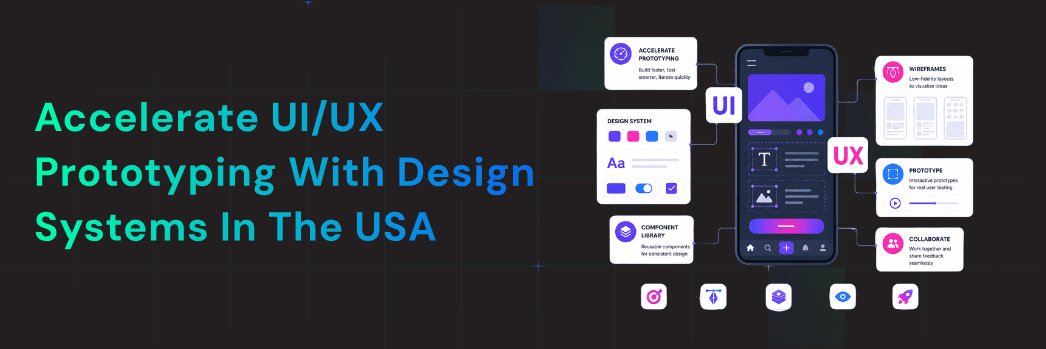
User Interface (UI) focuses on the visual elements users interact with: buttons, typography, color schemes, spacing, and responsive design elements. It’s the aesthetic layer that makes your product visually appealing and brand-consistent.
User Experience (UX), on the other hand, encompasses the entire journey a user takes with your product. It includes research, information architecture, user flows, wireframing, and testing. UX determines whether users can accomplish their goals efficiently and whether they’ll return to your product.
Think of it this way: UI is the beautiful storefront that attracts customers, while UX is the intuitive store layout that helps them find exactly what they need without frustration.
First impressions happen in milliseconds. Research shows that users form opinions about websites in just 50 milliseconds, and 94% of first impressions relate to design. A polished UI directly impacts:
Brand Perception: Premium UI design signals professionalism and credibility. Users associate visual quality with product quality, which is why companies invest heavily in interface refinement.
Emotional Connection: Color psychology, imagery, and visual hierarchy create emotional responses that influence purchasing decisions. The right UI can make users feel confident, excited, or reassured.
Differentiation: In crowded markets, distinctive UI helps your product stand out. When features are similar across competitors, interface design becomes a key differentiator.
However, beautiful UI alone won’t sustain business growth. A visually stunning app that confuses users will still fail, which is where UX becomes critical.
While UI attracts users, UX keeps them and converts them into customers. Poor UX directly impacts your bottom line through:
Reduced Friction: Every unnecessary step in a user journey increases abandonment rates. E-commerce sites lose billions annually due to complicated checkout processes. Streamlined UX removes these conversion barriers.
Increased Customer Lifetime Value: When users can accomplish their goals easily, they return. Good UX builds habits and loyalty, turning one-time users into repeat customers who spend more over time.
Lower Support Costs: Intuitive UX reduces confusion, which means fewer support tickets and customer service expenses. When users can self-serve successfully, your operational costs decrease.
Higher Conversion Rates: Even small UX improvements can dramatically impact conversions. Amazon found that every 100 ms of latency cost them 1% in sales. These cumulative effects compound over time.
The most successful digital products don’t prioritize UI over UX or vice versa. They recognize these elements work synergistically. Quality UI/UX designing services address both simultaneously because:
A stunning interface that’s difficult to navigate creates frustration. Users might initially engage based on visual appeal, but they’ll abandon the product if they can’t complete tasks efficiently. Conversely, a functionally perfect product with outdated or unappealing UI struggles to attract users in the first place.
Consider Dropbox: their interface is clean and minimal (strong UI), and their UX makes file sharing feel effortless. Or Airbnb, which combines beautiful imagery and design with intuitive booking flows. These companies grew because they invested equally in both areas.
For businesses evaluating where to allocate resources, consider your current situation. If you’re launching a new product, invest in foundational UX research and testing before polishing the interface. Understanding user needs prevents costly redesigns later.
If you have an existing product with low engagement despite traffic, UX improvements typically offer better ROI than UI refreshes. Analyze where users drop off and address those friction points.
For established products in competitive markets, strategic UI updates can reinvigorate brand perception, while continuous UX optimization maintains conversion rates.
Professional UI/UX designing services bring expertise in balancing these priorities. They conduct user research to inform design decisions, create interfaces that align with your brand while meeting user expectations, and test iteratively to ensure both beauty and functionality.
Track metrics that reflect both UI and UX success. For UI, monitor bounce rates, time on page, and brand perception surveys. For UX, focus on task completion rates, conversion funnels, customer satisfaction scores, and support ticket volume.
The intersection of these metrics reveals the true health of your digital product. High engagement with low conversion suggests UX problems. Low initial engagement despite good conversion rates might indicate UI issues preventing discovery.
Business growth through design isn’t about choosing UI or UX. It’s about recognizing that visual appeal opens doors while seamless experiences keep them open. Both elements require strategic investment, user-centered thinking, and continuous refinement.
Whether you’re building from scratch or optimizing existing products, partnering with experienced UI/UX designing services ensures you’re not leaving growth on the table. The digital landscape rewards products that look exceptional and work flawlessly. In an era where user expectations constantly rise, delivering both isn’t optional—it’s essential for sustainable business growth.
What’s the main difference between UI and UX?
UI (User Interface) refers to the visual and interactive elements of a product, including buttons, colors, and typography. UX (User Experience) encompasses the entire user journey and how easily users can accomplish their goals. UI is what users see; UX is what they feel and experience.
Can I improve business results by focusing only on UI or only on UX?
While improvements to either can help, the best results come from balancing both. Great UI attracts users but won’t retain them without solid UX. Excellent UX may struggle to gain traction without appealing UI. Sustainable growth requires investing in both areas.
How do UI/UX designing services improve conversion rates?
Professional services combine research, testing, and design expertise to reduce friction in user journeys, create clear visual hierarchies that guide users toward desired actions, build trust through professional design, and continuously optimize based on user behavior data.
How long does it take to see ROI from UI/UX improvements?
Some changes show immediate impact—simplified checkout flows can boost conversions within days. Comprehensive redesigns typically show measurable results within three to six months. Long-term benefits like improved customer loyalty and reduced support costs compound over time.
Should startups invest in professional UI/UX designing services early?
Yes, investing early prevents costly mistakes. It’s more expensive to fix fundamental UX problems after launch than to build correctly from the start. Even startups with limited budgets benefit from basic user research and testing before full development.